
Healing Through Summer Foods for Chronic Illness Support and Lasting Wellness
Summer food can feel simple: cold fruit, crisp salads, grilled vegetables, chilled soups, and herbs picked at their brightest. For people living with chronic illness, that simplicity can also be a lifeline.
Food will not replace medical care, medication, or a care plan. Still, daily meals shape energy, blood sugar balance, inflammation, blood pressure, digestion, and hydration. For someone managing diabetes, hypertension, autoimmune symptoms, kidney concerns, fatigue, or medication side effects, the right meal can make the day feel more possible.
That is the heart of chronic illness nutrition. It is not about restriction or perfection. It is about steady support, one plate at a time.
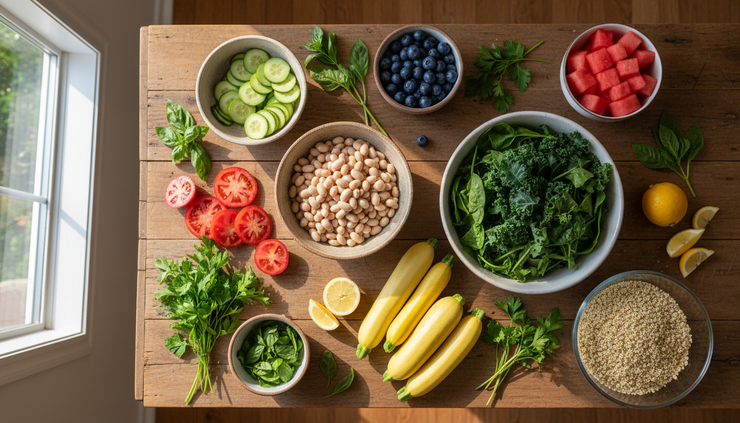
Food becomes a daily form of support
Chronic illness often turns food into a careful decision. A meal may need to be low in sodium, gentle on digestion, stable for blood sugar, high in fiber, lower in added sugar, or rich in anti-inflammatory ingredients. Sometimes it needs to be all of those things at once.
That can be exhausting.
A person managing hypertension may scan labels for sodium. Someone with diabetes may think through carbohydrates, fiber, protein, and timing. A person with an autoimmune condition may notice that ultra-processed foods, excess added sugar, alcohol, or certain trigger foods make symptoms worse. Another person may simply be too tired to chop vegetables after a long day of pain or appointments.
This is why healing foods matter most when they are practical. A nourishing meal should not create more stress than it solves.
Healthy Creations approaches food as daily care. The goal is to make meals that support real health needs while still tasting fresh, satisfying, and human. That means meals built with:
Whole vegetables and fruits
Plant-based proteins such as beans, lentils, tofu, and nuts
Moderate portions of high-fiber grains
Herbs, citrus, vinegar, garlic, and spices for flavor
Limited added sugar
Lower sodium choices
Heart-supportive fats from foods such as avocado, olive oil, seeds, and walnuts
This kind of meal can help people stay consistent. Consistency is where food begins to matter.
How Healthy Creations builds meals for chronic conditions
Healthy Creations designs meals with specific health needs in mind, especially diabetes, hypertension, and autoimmune conditions. The focus is not on bland “diet food.” It is on smart combinations that help the body feel supported.
Meals for diabetes focus on balance
Diabetic-friendly meals work best when carbohydrates come with fiber, protein, and healthy fat. That helps slow digestion and supports steadier blood sugar patterns.
A summer plate might include:
Grilled zucchini and peppers
Lemon-herb lentils
A small serving of quinoa or brown rice
Avocado or tahini dressing
Fresh berries for natural sweetness
The meal still has carbohydrates, but they are paired with nutrients that make them more balanced.
Meals for hypertension keep flavor without excess salt
Heart-healthy summer foods do not need heavy sodium to taste good. Citrus, herbs, roasted garlic, smoked paprika, vinegar, ginger, and chili flakes can create bright flavor without relying on the salt shaker.
For hypertension support, Healthy Creations prioritizes:
Low-sodium beans and broths
Potassium-rich fruits and vegetables when appropriate
High-fiber whole foods
Less saturated fat
Sauces made with herbs, lemon, and spices
People taking certain blood pressure or kidney medications may need guidance around potassium, so tailored nutrition advice matters.
Meals for autoimmune conditions reduce common stressors
Autoimmune conditions vary widely. No single diet fits everyone. Still, many people feel better when meals emphasize whole foods and reduce highly processed ingredients.
Healthy Creations keeps autoimmune-supportive meals centered on:
Colorful vegetables
Anti-inflammatory herbs and spices
Omega-3 rich plant foods such as chia, flax, and walnuts
Gentle cooking methods
Simple ingredient lists
The result is food that feels calm, clean, and satisfying without being overly complicated.

The best anti-inflammatory summer foods are simple and seasonal
Summer makes anti-inflammatory eating easier because fresh produce is abundant. Many seasonal fruits, vegetables, and herbs contain antioxidants, fiber, water, and plant compounds that research suggests may support lower inflammation as part of an overall healthy eating pattern.
Here are summer staples that work well in anti-inflammatory summer meals.
Food | Why it helps | Easy summer use |
Berries | Rich in fiber and antioxidant plant compounds | Stir into plain yogurt, chia pudding, or salads |
Tomatoes | Provide vitamin C and lycopene | Use in gazpacho, salsa, or bean salads |
Cucumbers | High in water and refreshing | Slice into salads with mint and lemon |
Leafy greens | Offer magnesium, folate, and fiber | Add to wraps, grain bowls, or smoothies |
Zucchini | Light, hydrating, and versatile | Grill, spiralize, or fold into soups |
Bell peppers | High in vitamin C and crunch | Dice into quinoa bowls or hummus plates |
Watermelon | Hydrating and naturally sweet | Pair with mint, lime, and cucumber |
Basil | Bright flavor without sodium | Blend into pesto with walnuts |
Mint | Cooling and digestion-friendly for many | Add to water, fruit, or tabbouleh |
Cilantro | Fresh flavor and color | Use in bean salads and rice bowls |
Ginger | Warming spice with anti-inflammatory potential | Add to dressings, tea, or marinades |
Turmeric | Contains curcumin, a studied plant compound | Use with black pepper in soups and sauces |
Spices and herbs do not need to be used in large amounts. Small, steady additions can make low-sodium meals taste full and layered.
A simple formula works well:
Fresh produce plus plant protein plus herbs plus acid plus healthy fat.
For example, tomatoes, white beans, basil, lemon juice, and olive oil make a fast summer meal. Cucumber, chickpeas, mint, vinegar, and avocado do the same.
Hydration deserves as much care as the meal
Summer heat can worsen fatigue, headaches, dizziness, constipation, and muscle cramps. People with chronic illness may be more sensitive to dehydration because of medications, blood sugar changes, inflammation, or limited appetite.
Water is the foundation, but food can carry a lot of fluid too. Watermelon, cucumbers, oranges, strawberries, tomatoes, leafy greens, and soups all contribute to daily hydration.
Electrolytes also matter. Sodium, potassium, magnesium, and calcium help the body manage fluid balance, nerve signals, and muscle function. Many packaged electrolyte drinks contain added sugar or high sodium, so food-based options can be useful for everyday wellness.
Try these gentle summer hydration ideas:
Water with cucumber, mint, and lime
Coconut water in small portions, if it fits the care plan
Chilled watermelon with a sprinkle of chia seeds
Smoothies with berries, spinach, and unsweetened plant milk
Tomato cucumber salad with white beans
Low-sodium vegetable soup served chilled
People with kidney disease, heart failure, or fluid restrictions should follow their clinician’s guidance on fluids and electrolytes.
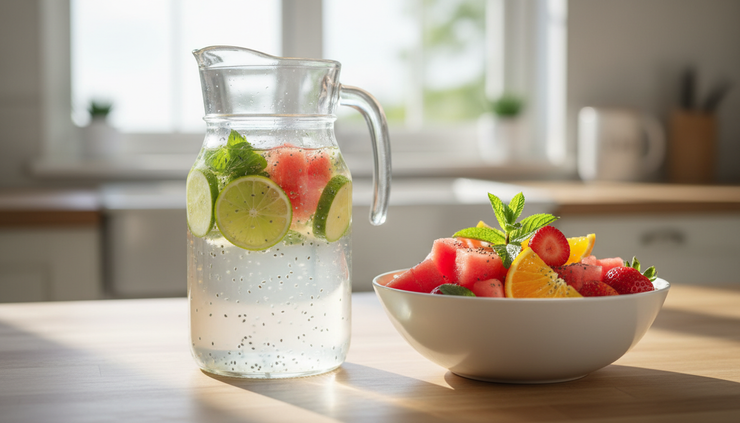
Four summer recipes that support healing without overload
These recipes are low in added sugar, lower in sodium, and rich in nutrients. Adjust ingredients as needed for allergies, kidney needs, medication interactions, or personal tolerance.
Watermelon cucumber mint salad
This dish is cooling, hydrating, and naturally sweet without added sugar.
Ingredients
3 cups cubed watermelon
1 large cucumber, sliced
1 cup chopped arugula or spinach
2 tablespoons chopped mint
1 tablespoon lime juice
1 teaspoon olive oil
1 tablespoon pumpkin seeds
Optional small amount of reduced-sodium feta or avocado
Directions
Toss the watermelon, cucumber, greens, and mint in a bowl. Whisk lime juice and olive oil, then drizzle over the salad. Top with pumpkin seeds.
Why it works
Watermelon and cucumber support hydration. Greens add minerals and fiber. Pumpkin seeds bring magnesium and healthy fat.
Lemon herb lentil zucchini bowl
This is a strong option for plant-based healing because it combines protein, fiber, slow-digesting carbohydrates, and herbs.
Ingredients
1 cup cooked lentils, no salt added if canned
1 cup grilled or sautéed zucchini
1/2 cup cooked quinoa
1/2 cup cherry tomatoes
2 tablespoons chopped parsley
1 tablespoon chopped basil
1 tablespoon lemon juice
1 teaspoon olive oil
Black pepper, garlic powder, and smoked paprika to taste
Directions
Layer quinoa, lentils, zucchini, and tomatoes in a bowl. Mix lemon juice, olive oil, herbs, and spices. Spoon over the bowl and serve warm or chilled.
Why it works
Lentils help provide steady energy. Zucchini and tomatoes add water and antioxidants. Lemon and herbs provide flavor without excess sodium.
Blueberry chia oat parfait
This works as breakfast, snack, or a gentle dessert. It is naturally sweet from fruit and rich in fiber.
Ingredients
1/2 cup plain unsweetened Greek yogurt or unsweetened plant-based yogurt
1/4 cup rolled oats
1 tablespoon chia seeds
1/2 cup blueberries
1/4 teaspoon cinnamon
1 tablespoon chopped walnuts
Optional splash of unsweetened almond milk
Directions
Mix yogurt, oats, chia, cinnamon, and almond milk if needed. Let sit for at least 20 minutes, or overnight. Top with blueberries and walnuts.
Why it works
Chia and oats provide soluble fiber. Blueberries add antioxidants. Walnuts support heart-health goals with unsaturated fats.
White bean tomato gazpacho
This chilled soup is light but filling. It works well when heat lowers appetite.
Ingredients
2 cups chopped ripe tomatoes
1 cup cucumber
1/2 cup red bell pepper
1/2 cup low-sodium white beans, rinsed
1 tablespoon red wine vinegar
1 teaspoon olive oil
1 small garlic clove
Fresh basil
Black pepper to taste
Directions
Blend tomatoes, cucumber, bell pepper, beans, vinegar, olive oil, garlic, basil, and pepper until smooth or slightly chunky. Chill before serving.
Why it works
Tomatoes and peppers bring vitamin C and plant compounds. White beans add protein and fiber, which makes the soup more satisfying.
Why plant-based meals support long-term healing
Plant-based meals do not have to mean fully vegan. They simply put plants at the center of the plate more often. For many people with chronic illness, that shift can support long-term health patterns.
Plant-forward dishes often provide more:
Fiber for digestion, fullness, and blood sugar support
Antioxidants from colorful fruits and vegetables
Magnesium and potassium from legumes, greens, and seeds
Unsaturated fats from nuts, seeds, olives, and avocado
Variety for a healthier gut microbiome
They also tend to be lower in saturated fat when built around beans, lentils, tofu, tempeh, vegetables, fruit, and whole grains.
A practical plate might look like this:
Half the plate filled with non-starchy vegetables such as greens, tomatoes, cucumbers, peppers, or zucchini
One quarter filled with a high-fiber carbohydrate such as quinoa, oats, brown rice, or sweet potato
One quarter filled with plant protein such as lentils, beans, tofu, or edamame
A small serving of healthy fat such as avocado, tahini, olive oil, walnuts, chia, or flax
This approach can fit diabetic-friendly meals, heart-healthy summer foods, and autoimmune-supportive eating when adjusted for personal needs.

Transformation stories from the Healthy Creations community
The most inspiring changes are often quiet. They happen in kitchens, lunch breaks, grocery lists, and evenings when someone finally has a meal that fits their body.
Names and details below are anonymized to protect privacy, but they reflect common experiences shared within the Healthy Creations community.
A steadier afternoon after lunch
One community member managing diabetes used to skip lunch or grab whatever was nearby. By midafternoon, energy would crash. After switching to Healthy Creations bowls with lentils, greens, roasted vegetables, and lemon-herb dressing, lunch became easier to trust. The change was not dramatic in a movie-scene way. It was practical. Fewer rushed choices. More steady meals. More confidence.
Flavor returned after a low-sodium diagnosis
Another member was advised to lower sodium for blood pressure support and feared food would taste flat. Healthy Creations meals showed another path: basil, citrus, roasted garlic, vinegar, ginger, and smoked paprika. Over time, the person began using herbs at home too. The win was emotional as much as physical. Food felt enjoyable again.
A calmer routine during autoimmune flares
A community member living with autoimmune symptoms described meal prep as one more burden during flare periods. Having simple plant-forward meals ready, such as chilled soups, bean salads, and soft grain bowls, reduced decision fatigue. On hard days, nourishment did not require a full cooking session.
These stories point to a larger truth. Food support works best when it respects real life.
Small summer habits that make meals easier
Healing through food does not require a full kitchen overhaul. Start with one or two habits that lower the effort.
Keep washed berries and cucumbers ready in the fridge
Rinse low-sodium canned beans for fast protein
Make one herb dressing for the week with lemon, parsley, garlic, and olive oil
Freeze fruit for smoothies instead of buying sweetened drinks
Cook a batch of quinoa, lentils, or brown rice once or twice a week
Use chilled soups when appetite drops in the heat
Pair fruit with protein or fat, such as nuts, yogurt, or chia
The best plan is the one that can be repeated.
Summer offers a generous kind of medicine in the everyday sense: water-rich fruit, crisp vegetables, fragrant herbs, and meals that cool and restore. For chronic illness support, those foods become more than seasonal ingredients. They become structure, comfort, and care.
Healthy Creations brings that care into meals designed for real health needs, including diabetes, hypertension, and autoimmune conditions. With the right mix of plants, protein, hydration, and flavor, summer food can support lasting wellness one nourishing plate at a time.
This post is for informational purposes only and is not medical advice. Anyone managing a chronic condition should work with a qualified healthcare professional or registered dietitian for personal guidance.


Comments